Choosing Your First Horse Trailer: Size, Style, and Budget
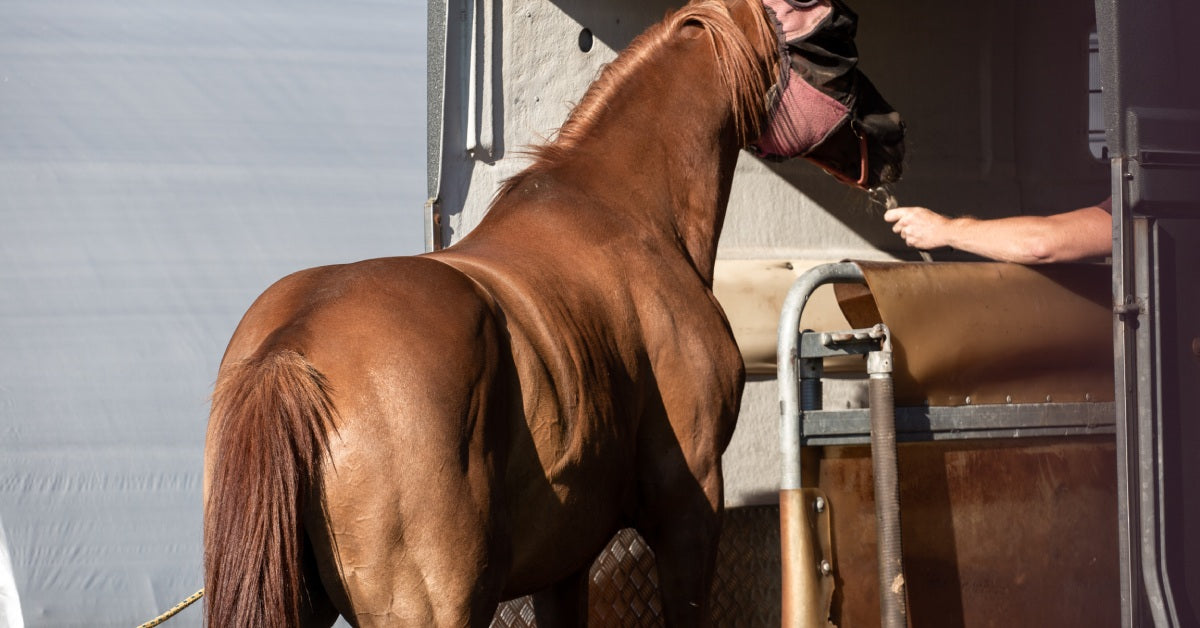
Selecting the right horse trailer is a crucial decision for any horse owner, especially if it’s your first time purchasing one. The right trailer ensures the safety and comfort of your horse during transport, while also fitting your specific needs and budget. Here’s a detailed guide to help you navigate the key factors involved.
1. Size: Matching the Trailer to Your Horse(s)
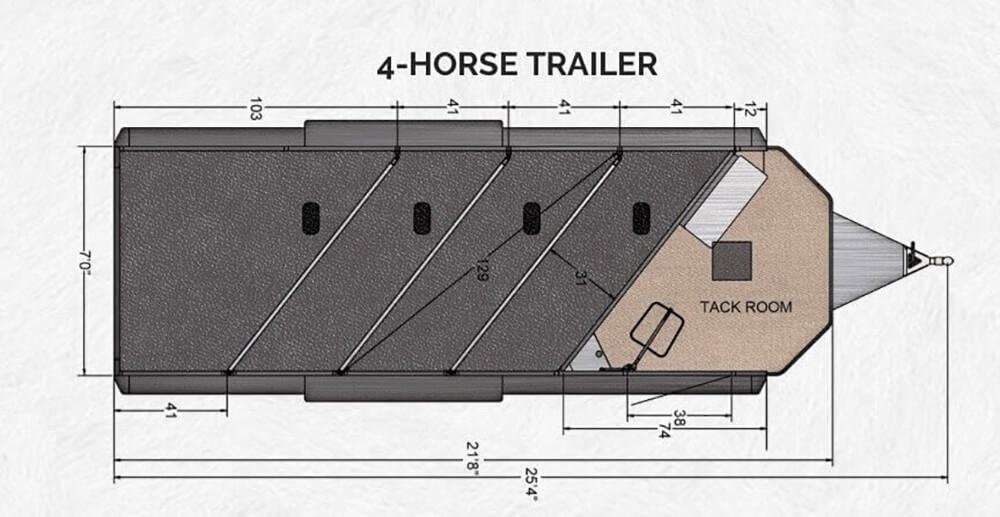
Choosing the correct size is essential for your horse’s safety and comfort. Consider the following:
- Number of Horses: Trailers come in single, double, or even larger multi-horse configurations. Think about your current needs and potential future requirements.
- Horse Size: Larger breeds like draft horses require more space. Measure your horse’s height and length to ensure adequate room.
- Height Clearance: Ensure the trailer’s interior height accommodates your horse comfortably, allowing them to stand naturally without stooping.
| Trailer Size | Suitable For | Typical Dimensions (L x W x H) |
|---|---|---|
| Small | Ponies, small horses | 8-10 ft x 6-7 ft x 7-8 ft |
| Medium | Average-sized horses | 12-14 ft x 7-8 ft x 7-8 ft |
| Large | Draft horses, multiple horses | 16+ ft x 8+ ft x 8+ ft |
2. Style: Types of Horse Trailers
Horse trailers come in various styles, each with unique features:
- Bumper Pull Trailers: Attach to the vehicle’s hitch; easier to maneuver but may have less space.
- Gooseneck Trailers: Connect to a ball in the truck bed; offer better stability and more room.
- Living Quarters Trailers: Include space for humans to rest, ideal for long trips or shows.
- Stock Trailers: Open design, good for short trips and ventilation but less protection.
Consider your towing vehicle’s capacity and your typical travel needs when choosing a style.
3. Budget: Balancing Cost and Quality
Horse trailers vary widely in price based on size, style, materials, and features. Here are some budgeting tips:
- New vs. Used: New trailers offer the latest features and warranties but come at a higher cost. Used trailers can be more affordable but require thorough inspection.
- Material: Aluminum trailers are lighter and resist rust but tend to be pricier. Steel trailers are heavier but often more affordable.
- Features: Consider essential features like ventilation, flooring, lighting, and safety equipment.
| Price Range | Description |
|---|---|
| $3,000 – $7,000 | Basic used trailers |
| $8,000 – $15,000 | Mid-range new or used trailers |
| $16,000+ | High-end new trailers with extras |
Additional Tips
- Safety First: Always prioritize safety features such as secure latches, non-slip flooring, and adequate ventilation.
- Test Drive: If possible, test drive the trailer with your towing vehicle to ensure compatibility.
- Maintenance: Regular maintenance extends the life of your trailer and ensures safety.
FAQ
Q: How do I know what size trailer I need?
A: Measure your horse’s height and length, consider the number of horses, and check the trailer’s interior dimensions to ensure a comfortable fit.
Q: Can I tow a horse trailer with a regular car?
A: Most horse trailers require a vehicle with sufficient towing capacity, such as a pickup truck or SUV. Always check your vehicle’s towing limits.
Q: What maintenance does a horse trailer need?
A: Regularly inspect tires, brakes, lights, flooring, and hitch components. Clean the trailer after each use to prevent rust and wear.
Choosing your first horse trailer involves careful consideration of size, style, and budget to ensure a safe and comfortable experience for both you and your horse. With the right information, you can make a confident and informed purchase.