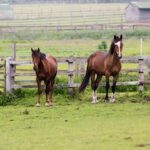
Can warmblood horses eat pasture grass? Yes, warmblood horses can eat pasture grass, as it is a natural and beneficial component of their diet. Pasture grass provides essential nutrients and fiber, promoting digestive health and overall well-being. However, it is important to manage their grazing to prevent overconsumption and ensure they receive a balanced diet.
What Are Warmblood Horses?
Warmblood horses are a group of horse breeds known for their athleticism, versatility, and calm temperament. These breeds, such as the Hanoverian, Dutch Warmblood, and Trakehner, are often used in equestrian sports like dressage, show jumping, and eventing. Warmbloods are typically larger and more muscular than other horse breeds, requiring a diet that supports their energy needs and physical demands.
Benefits of Pasture Grass for Warmblood Horses
Pasture grass is an excellent source of nutrition for warmblood horses. Here are some key benefits:
- Nutrient-Rich: Pasture grass contains essential vitamins and minerals, including vitamin A, vitamin E, calcium, and phosphorus, which support overall health.
- High Fiber Content: The fiber in grass aids in digestion and helps maintain a healthy gut microbiome.
- Natural Grazing Behavior: Allowing horses to graze mimics their natural feeding habits, promoting mental well-being.
How to Manage Grazing for Warmblood Horses
While pasture grass is beneficial, it is crucial to manage grazing to prevent issues like obesity or laminitis. Here are some tips:
- Monitor Grazing Time: Limit grazing time, especially in lush pastures, to prevent overconsumption.
- Use Grazing Muzzles: These can help control the amount of grass a horse consumes without restricting their ability to graze naturally.
- Rotate Pastures: Rotating pastures ensures that grass remains healthy and prevents overgrazing.
- Supplement with Hay: Provide hay to ensure a balanced diet, especially during seasons when pasture grass is less nutritious.
Nutritional Needs of Warmblood Horses
Warmblood horses have specific nutritional needs due to their size and activity level. A balanced diet should include:
- Forage: The primary component should be high-quality forage, such as pasture grass and hay.
- Concentrates: Depending on their workload, some horses may require additional concentrates or grain to meet energy demands.
- Supplements: Consider supplements for specific needs, such as joint health or coat condition.
Common Concerns with Grazing
While pasture grass is generally safe, there are some concerns to be aware of:
- Laminitis: This painful condition can occur if horses consume too much rich grass. Monitoring grazing time and using grazing muzzles can help prevent it.
- Nutrient Deficiencies: Ensure the pasture is well-maintained and supplemented with additional feed if necessary to meet all nutritional requirements.
Practical Example: Managing Grazing for a Warmblood Horse
Consider a warmblood horse named Bella, who competes in dressage. Bella’s owner manages her grazing by:
- Allowing her to graze for 4 hours daily in a well-maintained pasture.
- Using a grazing muzzle during spring when the grass is particularly lush.
- Supplementing her diet with high-quality hay and a balanced concentrate feed.
How Often Should Warmblood Horses Graze?
Warmblood horses should ideally graze for several hours each day, depending on the quality of the pasture and their individual needs. A typical grazing schedule might involve 4–6 hours daily, with adjustments based on seasonal changes and the horse’s workload.
Can Warmblood Horses Eat All Types of Grass?
While warmblood horses can eat most pasture grasses, it is important to ensure the grass is free from harmful plants and toxins. Common pasture grasses like timothy, orchard, and Kentucky bluegrass are generally safe.
How Do You Prevent Overgrazing in Pastures?
To prevent overgrazing, rotate pastures regularly, limit grazing time, and manage the number of horses per pasture. Using temporary fencing can also help control grazing areas.
What Are Signs of Nutritional Deficiencies in Warmblood Horses?
Signs of nutritional deficiencies include poor coat condition, weight loss, and decreased performance. Regular veterinary check-ups and dietary evaluations can help identify and address deficiencies.
Is Hay a Necessary Supplement for Warmblood Horses?
Yes, hay is a necessary supplement, especially during winter or when pasture grass is insufficient. It provides essential fiber and helps maintain digestive health.
Conclusion
In summary, warmblood horses can safely eat pasture grass, benefiting from its nutrients and fiber. However, managing their grazing is crucial to prevent health issues and ensure a balanced diet. By monitoring grazing time, using grazing muzzles, and supplementing with hay, owners can provide a healthy and nutritious diet for their warmblood horses. For more information on equine nutrition, consider consulting with a veterinarian or equine nutritionist.
Related Posts
- What are common mistakes to avoid when performing shoulder-in?
- What is the chronic stage of laminitis in horses?
- What are the benefits of lunging for rehabilitation?
- What are the benefits of riding bareback?
- Can horseback riding reduce stress and anxiety?
- How can a horse trainer assist with trailer loading?
- What equipment is essential for horse transport?
 Overcoming separation anxiety in your horse
- What factors influence the timing of a transition?
- How does a horse's activity level influence its feeding schedule?