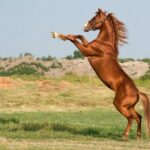
Can pasture turnout improve a horse’s coat condition? Yes, pasture turnout can significantly enhance a horse’s coat condition by providing natural sunlight, exercise, and access to fresh grass, which are crucial for a healthy, shiny coat. Horses with regular outdoor access often exhibit improved overall health and vitality, contributing to better coat quality.
How Does Pasture Turnout Benefit a Horse’s Coat?
Natural Sunlight and Vitamin D
Natural sunlight plays a vital role in a horse’s health. When a horse spends time outdoors, it absorbs sunlight, which helps in the production of vitamin D. This vitamin is essential for calcium absorption, promoting strong bones and overall health. A healthy horse is more likely to have a glossy, well-conditioned coat.
Access to Fresh Grass and Nutrients
Pasture turnout allows horses to graze on fresh grass, which is rich in essential nutrients and omega-3 fatty acids. These nutrients are critical for maintaining healthy skin and a shiny coat. Fresh grass also provides a natural source of hydration, contributing to skin elasticity and coat sheen.
Exercise and Circulation
Regular exercise in a pasture setting improves a horse’s circulation, which is crucial for delivering nutrients and oxygen to the skin and coat. Increased blood flow helps in the removal of toxins and supports the growth of healthy hair, resulting in a lustrous coat.
Social Interaction and Stress Reduction
Horses are social animals that benefit from interaction with other horses. Social interaction in a pasture setting can reduce stress levels, which is often reflected in a horse’s coat condition. A relaxed and happy horse is more likely to have a healthy, vibrant coat.
Practical Tips for Optimizing Pasture Turnout
- Rotate Pastures: To ensure consistent access to fresh grass, rotate your horse between different pastures. This practice prevents overgrazing and maintains nutrient-rich grass.
- Provide Shelter: Ensure there is adequate shelter in the pasture to protect horses from extreme weather conditions, which can affect coat health.
- Monitor Grazing Time: While pasture turnout is beneficial, monitor the grazing time to prevent overconsumption of lush grass, which can lead to health issues like laminitis.
People Also Ask
How Long Should a Horse Be Turned Out on Pasture?
The ideal duration for pasture turnout varies depending on the horse’s individual needs and the pasture’s condition. However, a minimum of 4-6 hours daily is recommended to reap the benefits of natural grazing and sunlight.
Can Pasture Turnout Replace Grain in a Horse’s Diet?
While pasture turnout provides essential nutrients, it may not completely replace grain in a horse’s diet. Horses with high energy requirements or specific dietary needs may still require supplemental feeding to maintain optimal health.
What Are the Risks of Pasture Turnout?
Potential risks include overgrazing, which can lead to nutrient deficiencies in the pasture, and health issues like laminitis from overconsumption of rich grass. It’s essential to manage pasture conditions and monitor horses’ health regularly.
How Does Weather Affect Pasture Turnout?
Weather conditions can impact pasture turnout. In extreme heat, horses may need access to shade and water, while in cold or wet conditions, they may require shelter to maintain coat health and prevent stress.
Are There Alternatives to Pasture Turnout for Improving Coat Condition?
If pasture turnout is not feasible, alternatives include providing a balanced diet rich in omega-3 fatty acids, regular grooming to stimulate circulation, and ensuring adequate shelter and exercise.
Summary
Pasture turnout offers numerous benefits for a horse’s coat condition, from providing natural sunlight and fresh grass to promoting exercise and social interaction. By managing pasture conditions and monitoring your horse’s health, you can ensure that your horse enjoys the full benefits of outdoor living. For more information on equine health, consider exploring topics like "Horse Nutrition Essentials" and "Effective Grooming Techniques for Horses."
Related Posts
- How can I tell if my horse is confused by my commands?
- How does the size of the training area impact a horse's learning abilities?
- What are the signs of a horse anticipating my aids?
- What techniques can riders use to improve their body language?
- Can adjusting my hand position influence rein contact?
- Do relaxed ears mean a horse is not paying attention?
 Horses bringing families together
- How do I perform a body condition scoring on my horse?
- How do riders use natural aids to communicate with horses?
- Should a rider consider a horse with a calm disposition or a more energetic one?