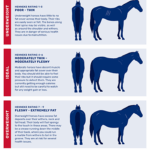
Hormonal imbalances, specifically excess cortisol, can indeed cause peculiar fat deposits in horses. This condition, often associated with Cushing’s syndrome, leads to fat accumulation in areas like the abdomen, back, and neck, creating a "buffalo hump" appearance. While the body’s central areas gain fat, the extremities may appear thinner due to muscle loss.
Can Hormonal Imbalances Cause Fat Deposits in Horses?
Hormonal imbalances can significantly impact a horse’s physiology, leading to various health issues, including the abnormal deposition of fat. While several hormones play a role in metabolism and fat distribution, an excess of cortisol is particularly noteworthy. Cortisol, a steroid hormone, is typically released in response to stress, but chronically elevated levels can disrupt normal metabolic processes.
What Role Does Cortisol Play in Fat Deposition?
Cortisol influences fat deposition through several mechanisms. Primarily, it promotes the breakdown of muscle tissue to provide amino acids for gluconeogenesis, the production of glucose from non-carbohydrate sources. This process leads to muscle wasting, particularly in the limbs, while simultaneously increasing insulin resistance. The increased insulin resistance, coupled with elevated glucose levels, encourages the body to store fat, especially in the central body areas such as the abdomen, back, and neck.
What is Cushing’s Syndrome and How Does It Relate?
Cushing’s syndrome, also known as pituitary pars intermedia dysfunction (PPID), is a common hormonal disorder in older horses. It is characterized by an overproduction of cortisol due to a dysfunction in the pituitary gland. The clinical signs of Cushing’s syndrome closely align with the effects of excess cortisol, including:
- Abnormal Fat Distribution: Accumulation of fat in the abdomen (potbelly), neck (buffalo hump), and around the eyes.
- Muscle Wasting: Loss of muscle mass, particularly along the topline and in the hindquarters.
- Increased Appetite: Despite weight gain, horses may exhibit an increased appetite.
- Lethargy: Reduced energy levels and a general lack of enthusiasm.
- Delayed Shedding: Failure to shed the winter coat or abnormally long hair growth (hirsutism).
- Increased Susceptibility to Infections: Compromised immune function.
How is Cushing’s Syndrome Diagnosed and Managed?
Diagnosing Cushing’s syndrome typically involves blood tests to measure cortisol levels or assess the pituitary gland’s response to certain stimuli. Management strategies focus on controlling cortisol levels and alleviating clinical signs. The most common treatment is pergolide, a dopamine receptor agonist that helps regulate pituitary function. Additionally, dietary management, including a low-starch, high-fiber diet, and regular exercise can help manage weight and improve overall health.
What Other Hormonal Imbalances Can Cause Fat Deposits?
While excess cortisol is the primary culprit in Cushing’s syndrome, other hormonal imbalances can also contribute to fat deposition in horses. Insulin resistance, often associated with obesity and metabolic syndrome, can lead to increased fat storage. Additionally, imbalances in thyroid hormones can affect metabolism and weight management.
People Also Ask
How can I tell if my horse has Cushing’s syndrome?
Signs of Cushing’s syndrome include abnormal fat accumulation (especially in the neck and abdomen), muscle wasting, lethargy, delayed shedding, and increased susceptibility to infections. If your horse exhibits these symptoms, consult with a veterinarian for diagnosis and treatment.
What is the "buffalo hump" in horses?
The "buffalo hump" refers to the abnormal fat deposit that occurs along the crest of the neck in horses with Cushing’s syndrome. This localized fat accumulation is a characteristic sign of the hormonal imbalance.
Can diet help manage hormonal imbalances in horses?
Yes, diet plays a crucial role in managing hormonal imbalances. A low-starch, high-fiber diet can help regulate blood sugar levels and improve insulin sensitivity, which is particularly beneficial for horses with Cushing’s syndrome or insulin resistance.
What are the long-term effects of hormonal imbalances in horses?
If left unmanaged, hormonal imbalances can lead to various long-term health issues, including chronic laminitis, increased risk of infections, metabolic dysfunction, and a reduced quality of life. Early diagnosis and management are essential to mitigate these effects.
Are there any natural remedies for Cushing’s syndrome in horses?
While some natural supplements may help support overall health, pergolide is the most effective treatment for managing Cushing’s syndrome. Consult with your veterinarian before using any alternative therapies to ensure they are safe and appropriate for your horse.
Understanding the role of hormonal imbalances in fat deposition is crucial for maintaining your horse’s health and well-being. Recognizing the signs of Cushing’s syndrome and implementing appropriate management strategies can significantly improve their quality of life.
Want to discover more about the specific dietary needs of horses with hormonal imbalances?
Related Posts
- How can I use groundwork to calm my horse?
- Are there any exercises to improve a horse's vision?
- How does a lack of groundwork impact a horse's backing up skills?
- What expertise does a professional trainer bring to handling jump refusals?
- How does herd behavior impact decision-making?
 How to prevent obesity in horses
- How are horses used in therapy and rehabilitation today?
- How can I use positive reinforcement to improve my horse's behavior?
- What is the modern status of the Andalusian horse breed?
- What are some examples of inconsistent cues in horse training?