Can environmental factors affect thermometer readings in barns? Yes, environmental factors such as humidity, air circulation, and direct sunlight can significantly impact thermometer readings in barns, potentially leading to inaccurate temperature measurements. Understanding these influences is crucial for maintaining optimal conditions for livestock and ensuring accurate data collection.
How Do Environmental Factors Influence Thermometer Readings?
Humidity’s Impact on Thermometer Accuracy
Humidity can alter thermometer readings by affecting both digital and analog devices. High humidity levels may cause condensation on the thermometer, leading to skewed readings. This is because moisture can interfere with the sensor’s ability to measure temperature accurately. To mitigate this, ensure proper ventilation in the barn and consider using thermometers designed for humid environments.
Air Circulation and Its Effects
Inadequate air circulation can cause temperature stratification, where different areas of the barn have varying temperatures. This can lead to inconsistent thermometer readings depending on where the device is placed. To ensure uniform temperature distribution, implement an effective ventilation system that promotes air movement throughout the barn. This not only aids in more accurate temperature readings but also improves overall animal welfare.
Influence of Direct Sunlight
Direct sunlight can significantly affect thermometer readings by causing the device to register higher temperatures than the actual ambient air. Placing thermometers in shaded areas or using radiation shields can help prevent this issue. Remember, accurate temperature monitoring is essential for maintaining a comfortable environment for livestock.
Practical Tips for Accurate Temperature Monitoring
- Place thermometers away from direct sunlight to avoid heat interference.
- Use radiation shields to protect thermometers from external heat sources.
- Ensure proper ventilation to maintain consistent air circulation.
- Choose thermometers suited for the barn’s humidity levels to prevent condensation issues.
- Regularly calibrate thermometers to ensure continued accuracy.
Common Types of Thermometers for Barn Use
| Feature | Digital Thermometer | Analog Thermometer | Infrared Thermometer |
|---|---|---|---|
| Accuracy | High | Moderate | High |
| Response Time | Fast | Slow | Instant |
| Ideal Conditions | Indoor/Outdoor | Indoor | Indoor/Outdoor |
| Maintenance | Low | Moderate | Low |
People Also Ask
What is the best location for a thermometer in a barn?
The best location for a thermometer in a barn is in a shaded area away from direct sunlight and heat sources. Ideally, it should be placed at livestock height to accurately reflect the conditions they experience. Ensure it is not obstructed by objects that could block air circulation.
How often should barn thermometers be calibrated?
Barn thermometers should be calibrated at least once every six months to ensure accuracy. Regular calibration accounts for any drift in readings over time and maintains reliable temperature monitoring, which is crucial for livestock health.
Can digital thermometers be used in high-humidity barns?
Yes, digital thermometers can be used in high-humidity barns, but it is essential to choose models specifically designed to handle moisture. These thermometers are often equipped with protective features to prevent condensation from affecting the sensors.
Why is accurate temperature monitoring important for livestock?
Accurate temperature monitoring is vital for maintaining optimal environmental conditions that support livestock health and productivity. Temperature extremes can lead to stress, reduced feed intake, and increased susceptibility to disease, impacting overall farm efficiency.
How can I prevent thermometer errors in barns?
To prevent thermometer errors, ensure proper placement away from direct sunlight, use radiation shields, maintain consistent ventilation, and regularly calibrate the devices. Choosing the right type of thermometer for your specific barn environment also plays a crucial role.
Conclusion
Maintaining accurate thermometer readings in barns is essential for ensuring the well-being of livestock and optimizing farm operations. By understanding how environmental factors such as humidity, air circulation, and sunlight affect temperature measurements, you can implement effective strategies to mitigate these influences. Regular calibration, proper placement, and choosing the right thermometer type are key steps in achieving reliable temperature monitoring. For more insights on livestock care and barn management, explore our related articles on ventilation systems and humidity control.
Related Posts
- Can horses understand human communication?
- How can I incorporate balance training into my daily routine?
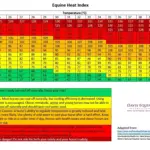 How to take a horse's temperature
- What are the risks associated with riding bareback?
- Should beginners use mirrors to check their riding posture?
- How do horses recognize each other in a herd?
- What are the signs of environmental hoof damage?
- How can I use body language to make catching a horse easier?
- How do different types of livestock contribute to dust levels in barns?
 Wound care basics every horse owner should master