Are there behavioral changes that indicate dental issues in horses? Yes, horses often exhibit specific behavioral changes when experiencing dental issues. Recognizing these signs early can help prevent more severe health problems. Common indicators include difficulty eating, head tossing, and a reluctance to accept the bit. Understanding these behaviors can aid in timely intervention and treatment.
What Are the Common Signs of Dental Issues in Horses?
Horses, like humans, can suffer from various dental problems that affect their overall health and well-being. Recognizing these signs early is crucial for maintaining their health. Here are some behavioral changes that may indicate dental issues:
- Difficulty Eating: Horses with dental problems might drop food while eating or chew slowly.
- Weight Loss: Inability to chew properly can lead to weight loss.
- Head Tossing: Horses may shake or toss their heads frequently.
- Reluctance to Accept Bit: Resistance when bridling or riding can be a sign.
- Bad Breath: Unpleasant odor from the mouth can indicate decay or infection.
Why Do Horses Develop Dental Issues?
Understanding the causes of dental problems in horses can help in prevention and management. Some common causes include:
- Natural Wear and Tear: Horses’ teeth continuously grow and wear down, which can lead to uneven surfaces or sharp edges.
- Diet: A diet lacking in roughage can lead to inadequate natural grinding of teeth.
- Age: Older horses are more prone to dental issues due to prolonged wear.
- Genetic Factors: Some horses may have inherited dental malformations.
How Can You Prevent Dental Problems in Horses?
Preventing dental issues is key to ensuring your horse’s health and comfort. Here are some strategies:
- Regular Dental Check-Ups: Schedule dental exams at least once a year with an equine dentist.
- Balanced Diet: Provide a diet high in roughage to promote natural tooth wear.
- Monitor Eating Habits: Keep an eye on changes in eating behavior.
- Use Proper Equipment: Ensure that bridles and bits fit correctly to avoid unnecessary pressure on teeth.
What Are the Treatment Options for Horse Dental Issues?
When dental problems arise, timely treatment is essential. Here are some common treatments:
- Floating: This procedure involves filing down sharp edges or uneven surfaces on the teeth.
- Tooth Extraction: Severely damaged or infected teeth may need to be removed.
- Dietary Adjustments: Modifying the horse’s diet can alleviate discomfort and promote healing.
- Regular Monitoring: Follow-up exams to ensure the problem is resolved and prevent recurrence.
How Do Dental Issues Affect a Horse’s Performance?
Dental problems can significantly impact a horse’s performance and behavior. Here’s how:
- Pain and Discomfort: Dental pain can lead to decreased performance and reluctance to work.
- Behavioral Changes: Horses may become irritable or uncooperative.
- Nutritional Deficiencies: Inadequate chewing can lead to poor digestion and nutrient absorption.
People Also Ask
What Are the Signs of Dental Pain in Horses?
Signs of dental pain in horses include reluctance to eat, dropping food, head shaking, and resistance to the bit. Horses may also exhibit changes in behavior, such as irritability or aggression, due to discomfort.
How Often Should Horses Have Dental Check-Ups?
Horses should have dental check-ups at least once a year. However, younger horses, those with known dental issues, or older horses may require more frequent examinations to maintain optimal dental health.
Can Dental Issues Cause Behavioral Problems in Horses?
Yes, dental issues can cause significant behavioral problems in horses. Pain and discomfort from dental problems can lead to irritability, aggression, and reluctance to perform tasks that were previously routine.
What Is Floating and Why Is It Important?
Floating is a dental procedure that involves filing down sharp edges or uneven surfaces on a horse’s teeth. This is important to prevent pain and discomfort, ensure proper chewing, and avoid further dental complications.
Are There Specific Breeds More Prone to Dental Issues?
While all horses can develop dental issues, some breeds with specific jaw conformations may be more prone to certain problems. Regular dental care is crucial for all breeds to maintain health and performance.
Conclusion
Recognizing behavioral changes that indicate dental issues in horses is crucial for their health and performance. Regular check-ups, a balanced diet, and appropriate treatment can prevent serious complications. If you notice any signs of dental problems, consult with an equine dentist promptly. For more information on equine health, consider exploring topics like equine nutrition or horse grooming essentials.
Related Posts
- How does diet affect a horse's coat if not clipped?
- How can I treat my horse's cracked heels during winter?
- How important is body language in providing consistent cues?
- How can I tell if a supplement is improving my horse's health?
- What forms of vitamin C supplements are available for horses?
- What is the connection between visualization and proprioception in riding?
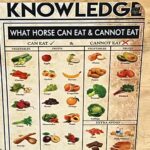 Feed safety and quality assurance for your horse
- What ear positions indicate a horse's discomfort?
- Can equine allergies be cured?
- Can essential oils be used in fly repellent candles?