Rewilding projects have successfully helped rare horse breeds thrive in their natural habitats, contributing to biodiversity and ecological balance. These projects focus on restoring natural ecosystems and supporting species that play crucial roles in their environments. Here, we explore some notable examples and the impact of these efforts.
What Are Rewilding Projects?
Rewilding projects aim to restore ecosystems to their natural, self-regulating states by reintroducing native species, including rare horse breeds. This process involves removing human-induced pressures and allowing natural processes to shape the landscape.
Why Focus on Rare Horse Breeds?
Rare horse breeds play a vital role in maintaining ecological balance. They contribute to habitat diversity, seed dispersal, and the overall health of ecosystems. Rewilding these breeds can help preserve genetic diversity and protect them from extinction.
Notable Rewilding Projects for Rare Horse Breeds
1. Przewalski’s Horse in Mongolia
The Przewalski’s horse, once extinct in the wild, is a remarkable success story in rewilding efforts. Native to the steppes of Central Asia, these horses were reintroduced to Mongolia’s Hustai National Park in the 1990s. This project has seen the population grow steadily, with over 300 horses now roaming the park. The reintroduction has also positively impacted the local ecosystem, promoting grassland health and supporting other species.
2. Konik Horses in the Netherlands
The Konik horse rewilding project in the Netherlands aims to restore natural grazing patterns and promote biodiversity. Konik horses, closely related to the extinct Tarpan, were introduced to several nature reserves, including the Oostvaardersplassen. These horses help maintain open landscapes by grazing on grasses and shrubs, which supports a variety of plant and animal species.
3. Exmoor Ponies in the UK
Exmoor ponies, one of the oldest and rarest horse breeds, are essential to rewilding initiatives across the UK. Projects in areas like Exmoor National Park and Knepp Estate have successfully integrated these ponies into the landscape. Their grazing habits create a mosaic of habitats, benefiting birds, insects, and other wildlife.
How Do Rewilding Projects Work?
Rewilding projects typically follow a structured approach:
- Assessment: Evaluate the ecosystem and identify suitable species for reintroduction.
- Preparation: Create a habitat that supports the species’ needs and remove threats.
- Reintroduction: Release animals into the wild and monitor their adaptation.
- Monitoring: Track the project’s progress and make adjustments as needed.
Challenges and Considerations
While rewilding offers significant benefits, it also presents challenges:
- Human-Wildlife Conflict: Reintroduced species may conflict with human activities, requiring careful management.
- Genetic Diversity: Ensuring genetic diversity is crucial to the long-term success of rewilding efforts.
- Climate Change: Changing environmental conditions can impact the sustainability of rewilded populations.
The Impact of Rewilding on Ecosystems
Rewilding projects have demonstrated numerous ecological benefits:
- Biodiversity: Increased species diversity and healthier ecosystems.
- Ecosystem Services: Improved soil quality, water regulation, and carbon sequestration.
- Cultural Value: Preservation of cultural heritage associated with native species.
People Also Ask
What Is the Role of Horses in Ecosystems?
Horses play a crucial role in ecosystems by maintaining open habitats through grazing, which supports plant diversity and provides habitats for other wildlife. They also aid in seed dispersal and nutrient cycling.
How Are Rewilding Projects Funded?
Rewilding projects are funded through a combination of government grants, private donations, and partnerships with conservation organizations. Public awareness campaigns and ecotourism also contribute to funding.
Can Rewilding Help Combat Climate Change?
Yes, rewilding can help combat climate change by restoring natural carbon sinks, such as forests and grasslands, and promoting biodiversity, which enhances ecosystem resilience to climate impacts.
What Are the Ethical Considerations in Rewilding?
Ethical considerations include the welfare of reintroduced animals, potential impacts on local communities, and ensuring that rewilding efforts do not harm existing ecosystems or species.
How Can Individuals Support Rewilding Efforts?
Individuals can support rewilding by donating to conservation organizations, participating in volunteer programs, and advocating for policies that promote biodiversity and ecosystem restoration.
Conclusion
Rewilding projects for rare horse breeds have shown promising results in restoring ecosystems and preserving biodiversity. These efforts not only safeguard the future of these breeds but also contribute to healthier and more resilient environments. By understanding and supporting such initiatives, we can help ensure a balanced and sustainable future for our planet.
For more information on conservation efforts and how you can get involved, consider exploring related topics such as "The Role of Grazing Animals in Ecosystem Management" or "Innovative Approaches to Wildlife Conservation."
Related Posts
- How can I measure my horse's water intake?
- How do horses recognize each other?
- How do sugar levels in feed affect a horse's mood?
- What are the signs of a bacterial skin infection in horses?
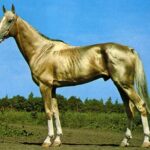 The akhal-teke: golden horses of turkmenistan
- What is the lifespan of the Cleveland Bay horse?
- What are the best feeding practices for Friesian horses?
- What actions might a horse take if it is unsure of a rider's intentions?
- What are the characteristics of an effective transition?
- Can keeping a journal help reduce anxiety about riding again?