Horse massage therapy is a beneficial practice for equine health, but it does come with certain contraindications that must be considered to ensure the safety and well-being of the horse. Understanding these contraindications helps horse owners and caregivers make informed decisions about when to seek or avoid massage therapy for their equine companions.
What Are the Contraindications for Horse Massage Therapy?
While horse massage therapy can improve circulation, reduce muscle tension, and enhance overall well-being, there are specific situations where it should be avoided. Contraindications include:
- Acute Injuries: Avoid massage if the horse has a recent injury, such as sprains or fractures, as massage can exacerbate inflammation.
- Fever or Infection: Horses with a fever or an active infection should not receive massage therapy, as it could spread the infection.
- Skin Conditions: Open wounds, rashes, or skin infections are contraindications, as massage could irritate these areas or spread infection.
- Pregnancy: Special care should be taken with pregnant mares, particularly in the later stages of pregnancy, to avoid undue stress.
- Severe Lameness: If a horse is severely lame, massage therapy should be postponed until a veterinarian has evaluated the condition.
Why Is It Important to Know Contraindications?
Knowing the contraindications for horse massage therapy is crucial for preventing potential harm. Massage can inadvertently worsen certain conditions, leading to increased pain or delayed healing. Therefore, understanding when to avoid massage helps protect the horse’s health.
How to Identify If a Horse Needs Massage Therapy?
Identifying whether a horse needs massage therapy involves observing their behavior and physical condition. Signs that a horse may benefit from massage include:
- Stiffness: If a horse shows signs of stiffness or limited range of motion, massage can help improve flexibility.
- Behavioral Changes: Sudden changes in behavior, such as reluctance to be saddled or groomed, may indicate discomfort that massage can alleviate.
- Muscle Soreness: If a horse displays muscle soreness or tenderness, massage can relieve tension and promote relaxation.
When to Consult a Veterinarian?
Before initiating massage therapy, it’s advisable to consult with a veterinarian, especially if the horse exhibits any of the contraindications mentioned. A veterinarian can assess the horse’s health and determine whether massage is appropriate. They can also provide guidance on alternative therapies if massage is not suitable.
Benefits of Horse Massage Therapy
Despite the contraindications, horse massage therapy offers numerous benefits when applied correctly:
- Improved Circulation: Massage enhances blood flow, delivering nutrients and oxygen to muscles and tissues.
- Reduced Muscle Tension: Regular massage helps alleviate muscle tension, promoting relaxation and well-being.
- Enhanced Performance: By improving flexibility and reducing stress, massage can enhance a horse’s performance in training and competition.
- Stress Relief: Massage therapy provides mental relaxation, reducing stress and anxiety in horses.
Practical Examples of Massage Techniques
Some common massage techniques used in horse therapy include:
- Effleurage: A gentle stroking technique that warms up the muscles and prepares them for deeper work.
- Petrissage: A kneading motion that helps release muscle knots and tension.
- Tapotement: A rhythmic tapping technique that stimulates circulation and relaxes muscles.
People Also Ask
Can Massage Therapy Help with Horse Recovery?
Yes, massage therapy can aid in horse recovery by improving circulation and reducing muscle stiffness. However, it should be used in conjunction with veterinary care and not as a replacement for medical treatment.
Is Horse Massage Therapy Safe for Older Horses?
Horse massage therapy can be beneficial for older horses, as it helps maintain muscle tone and flexibility. However, it is important to consider any age-related health issues and consult a veterinarian before proceeding.
How Often Should a Horse Receive Massage Therapy?
The frequency of massage therapy sessions depends on the horse’s activity level and health condition. Generally, horses in regular training may benefit from weekly sessions, while others may require less frequent treatments.
What Qualifications Should a Horse Massage Therapist Have?
A qualified horse massage therapist should have formal training in equine massage techniques and a thorough understanding of horse anatomy. Certification from a reputable institution is recommended.
Are There Alternatives to Horse Massage Therapy?
Yes, alternatives include chiropractic care, acupuncture, and physiotherapy. These can be used in conjunction with or instead of massage therapy, depending on the horse’s needs and veterinary advice.
Conclusion
Understanding the contraindications for horse massage therapy is essential for ensuring the safety and well-being of the horse. While massage offers numerous benefits, it must be applied judiciously, with consideration given to the horse’s overall health and any specific conditions. Consulting with a veterinarian and working with a qualified massage therapist can help maximize the benefits while minimizing risks. For more information on equine care, consider exploring topics such as equine nutrition and horse training techniques.
Related Posts
- What is the story of the Trojan Horse?
- What are the risks of over-supplementing vitamins and minerals in horses?
- What is the impact of over-supplementation on a horse's performance?
- How does warming up improve a horse's suppleness?
- Do horses become hard to catch if they associate catching with work?
- What are the benefits of electrolyte supplements for horses?
- What should I do if I notice a setback in my riding confidence?
- How can video analysis help beginners improve their riding?
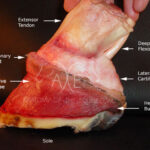 Understanding horse hoof anatomy
- What are the key differences between Andalusian and Lusitano horses today?