It is plausible that horses may experience stress when introduced to unfamiliar environments. Horses rely on habit and a strong sense of direction, and they may exhibit fear or panic in unfamiliar situations. Providing a safe and consistent environment is important for their well-being.
Why Do Unfamiliar Environments Stress Horses?
Horses possess highly developed nervous systems, and their reactions are often governed by habit. Instinct and their senses of smell and hearing allow them to detect danger, and they tend to flee from it. A horse’s visual memory can cause it to shy away from a place where it previously experienced fear.
How Do Horses React to Stress?
When horses are stressed, they may show it through various behaviors:
- Increased vigilance: They might be more alert and reactive to sounds or movements.
- Changes in appetite: Stress can cause some horses to eat less.
- Restlessness: They may pace or be unable to stand still.
- Increased heart rate and breathing: Physical signs of anxiety can be observed.
- Defensive behavior: They may kick or bite if they feel threatened.
What Environmental Factors Cause Stress?
Several environmental factors can contribute to stress in horses:
- New places: Moving to a new stable or pasture can be stressful.
- Loud noises: Construction, traffic, or loud music can cause anxiety.
- Changes in routine: Alterations in feeding or exercise schedules can be upsetting.
- Separation from companions: Horses are social animals and can become stressed when isolated.
How Can You Reduce Environmental Stress?
Reducing stress in horses involves careful management and attention to their needs:
- Gradual introduction: Introduce changes slowly to allow the horse to adjust.
- Consistent routine: Maintain a regular feeding and exercise schedule.
- Social interaction: Allow horses to have contact with other horses.
- Safe environment: Ensure the environment is free from hazards and potential stressors.
What Role Does Training Play?
Training can help horses become more confident and less reactive to new environments. Horses use auditory memory in training, so using consistent words and tones can help them learn desired reactions.
What are Signs of Relaxation?
It is equally important to recognize signs of relaxation in horses to ensure their well-being:
- Soft eyes: Relaxed and gentle expression.
- Lowered head: Indicates a calm and comfortable state.
- Relaxed muscles: Absence of tension in the body.
- Slow, regular breathing: Normal and steady breathing patterns.
- Engagement: Willingness to interact and participate in activities.
People Also Ask (PAA) Section
How do horses communicate stress to humans?
Horses communicate stress through body language, such as tail swishing, tense muscles, and pinned ears. They may also exhibit behaviors like teeth grinding or মুখ ঘষাঘষি. Recognizing these signs allows for timely intervention to alleviate their discomfort.
Can a horse’s diet influence its stress levels?
Yes, diet plays a crucial role. A balanced diet with adequate fiber helps maintain a healthy gut, which can reduce stress. Providing consistent access to forage and avoiding high-sugar feeds can also help stabilize their mood.
Is it possible for horses to adapt to new environments over time?
Yes, horses can adapt to new environments with proper management and gradual exposure. Consistent, positive experiences in the new setting help them build confidence and reduce anxiety. Patience and understanding are key to helping them adjust.
Understanding the factors that cause stress in horses and implementing strategies to minimize these stressors is essential for their health and happiness.
Want to learn more about how horses learn?
Related Posts
- What are the dangers of overworking a horse on suppleness?
- How often should a horse be lunged for mental well-being?
- Are there specific breeds that are easier to train to load into a trailer?
- What are the signs that a horse is not getting enough play?
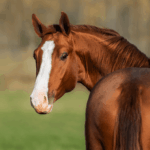 Horse behavior warning signs every rider should know
- How do horses use memory in training?
- What are some exercises to improve coordination and balance in trotting?
- How do horses contribute to sustainable farming practices?
- How does my seat aid in upward transitions?
- How can I use a helper when training a horse to back out of a trailer?